



A single bag filter vessel serves as a compact device for efficient particle removal from liquids. The design features a robust housing, a filter bag as the main filtration medium, and secure closure mechanisms. Industrial and commercial users rely on this solution to maintain consistent liquid quality in diverse applications.
Single Bag Filter Vessel Components and Operation
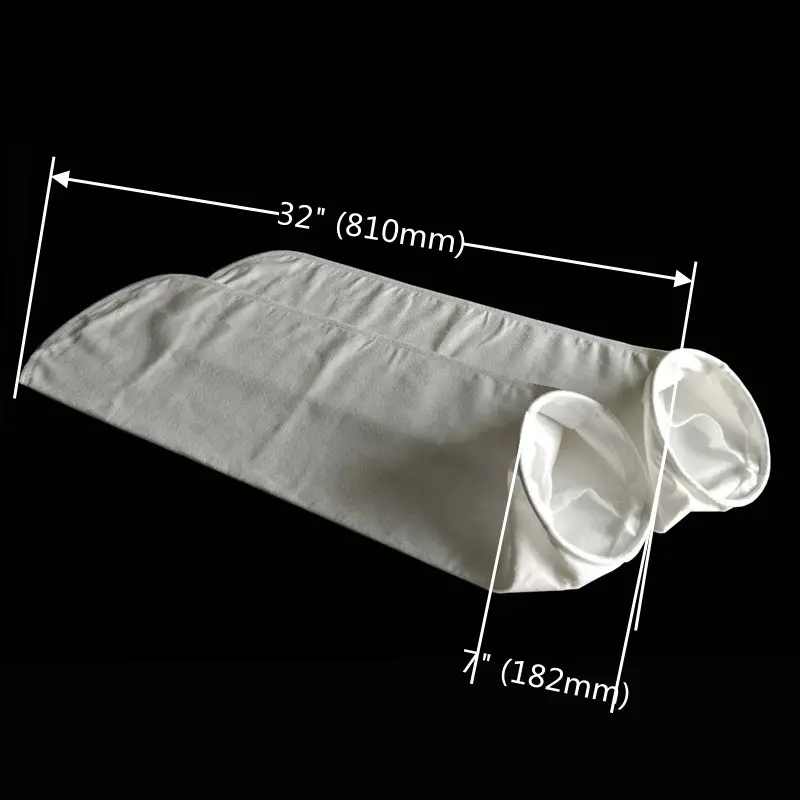
Main Parts of a Single Bag Filter Vessel
A Single Bag Filter Vessel consists of several essential components, each designed for durability and optimal performance. The following table outlines the main parts and the typical materials used for each:
| Component | Material Options |
|---|---|
| Bag Filter Housing | Stainless Steel, Carbon Steel, Aluminum, Plastic |
| Filter Bag | Synthetic fibers (varies by application) |
| Filter Screen | Stainless Steel, Polypropylene |
| Seals | Rubber, Silicone |
| Control Devices | Various metals and plastics |
The bag filter housing forms the core structure, often manufactured from 304 or 316 stainless steel for corrosion resistance. The filter bag, made from synthetic fibers, captures contaminants efficiently. A filter screen supports the bag and prevents rupture. Seals, typically rubber or silicone, ensure a leak-proof operation. Control devices, constructed from metals or plastics, help regulate flow and monitor system status.
Recent advancements have introduced features such as quick-release mechanisms for faster bag changes, corrosion-resistant materials for extended service life, and modular designs that simplify maintenance. Many modern vessels now include automation and monitoring systems, allowing real-time performance tracking and remote management.
How a Single Bag Filter Vessel Works
A Single Bag Filter Vessel operates through a straightforward yet effective process. Liquid enters the vessel under pressure, guided by the inlet control system. The flow distributes evenly across the filter bag, which traps suspended solids, debris, oil, and other contaminants. The filtered liquid exits through the outlet, leaving unwanted particles behind.
Design elements such as air distribution and inlet control play a critical role in filtration efficiency. Proper air distribution prevents localized abrasion and ensures even loading on the filter bag. Matching the cleaning system to the vessel’s design maintains optimal performance and extends the lifespan of the filter bag. Quick-opening closure mechanisms reduce downtime during maintenance, supporting continuous operation.
The vessel’s construction materials, such as stainless steel, enhance durability and resist corrosion, making the system suitable for demanding industrial environments. Flow configurations, including side-in/bottom-out and top-in/bottom-out, further improve cleaning efficiency and filtration effectiveness.
Filtration Process Explained
The filtration process in a Single Bag Filter Vessel follows a clear sequence:
1.Liquid Entry: The unfiltered liquid enters the vessel through the inlet.
2.Contaminant Capture: As the liquid passes through the filter bag, suspended solids, debris, and oil become trapped within the bag’s fibers.
3.Clean Liquid Exit: The filtered liquid exits the vessel, now free from most contaminants.
The vessel’s design supports a range of nominal flow rates, making it adaptable for various industrial applications. The following chart illustrates typical flow rates for different models:
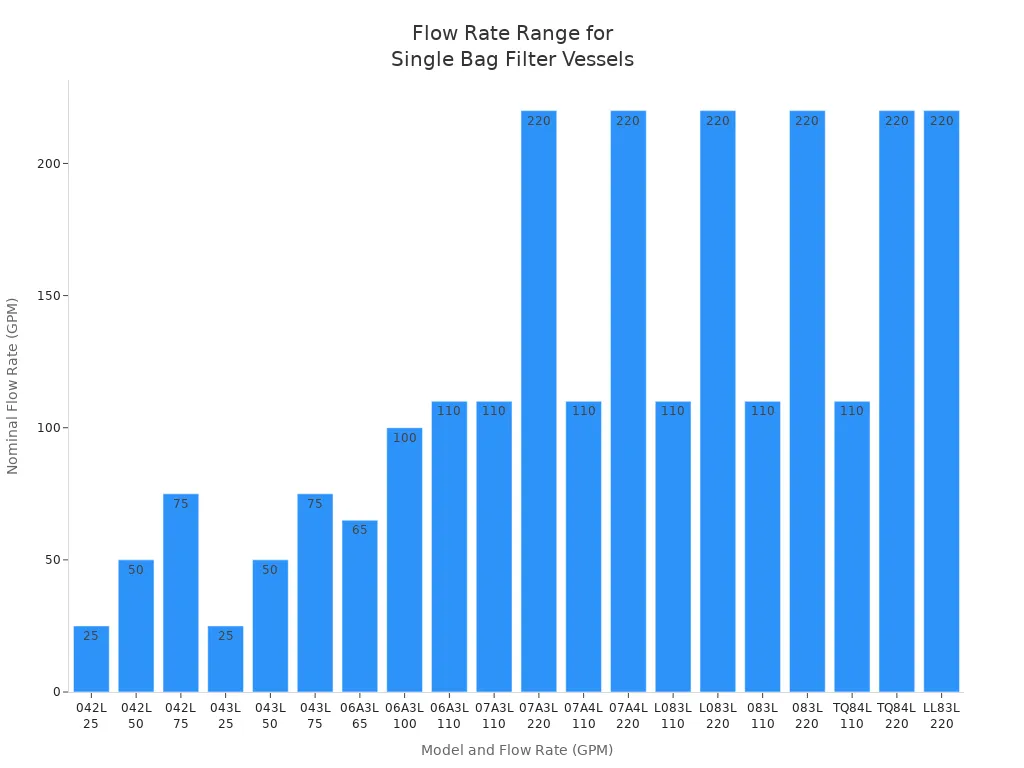
Single Bag Filter Vessels excel at removing suspended solids, debris, oil, and other contaminants from liquids and gases. Regulatory standards in industries such as pharmaceuticals, food and beverage, and chemicals drive the need for advanced filtration systems. These standards require high-quality materials and innovative designs to ensure product safety and environmental compliance.
Tip: Selecting the right vessel size and material ensures optimal performance and compliance with industry regulations.
Precisionfiltrationsh offers a range of Single Bag Filter Vessel solutions that incorporate the latest advancements in filtration technology, supporting efficient and reliable operation for diverse industrial needs.
Benefits, Applications, and Practical Considerations
Advantages of Single Bag Filter Vessels
Single Bag Filter Vessels offer a compact and straightforward design that suits operations with lower flow rates and less frequent maintenance needs. Their cost-effective nature makes them a preferred choice for smaller facilities or those with moderate filtration requirements. Investing in high-quality filter housings, such as stainless steel, can reduce maintenance costs by up to 30% over five years. These vessels also support environmental sustainability by reducing contaminants in wastewater and helping industries comply with discharge regulations.
Note: Features like quick bag changes and durable materials contribute to long-term operational savings.
Common Uses and Industries
Many industries rely on Single Bag Filter Vessels for reliable filtration. The table below highlights typical applications:
| Industry | Typical Applications |
|---|---|
| Chemical Industry | Removing contaminants from chemical solutions or solvents |
| Food and Beverage | Filtering water, eliminating particulates, ensuring hygiene during processing |
| Pharmaceutical Industry | Maintaining liquid drug purity |
| Water Treatment | Industrial and wastewater treatment, process water purification |
Other sectors include electronics manufacturing, mining, oil and gas, and power generation.
Limitations and Key Considerations
Single Bag Filter Vessels hold nearly 40% of the market share and are easy to install due to their compact size. They perform best with moderate flow rates and particulate loads. When selecting a vessel, users should consider flow rate, filtration needs, material compatibility, and regulatory compliance. Stainless steel offers durability, while polypropylene provides a lightweight option for less demanding environments.
Considering design elements like swing-bolt closures ensures user-friendly operation and minimizes downtime.
Installation and Maintenance Tips
Proper installation and maintenance maximize performance and lifespan:
- Prepare all accessories and clear debris from the housing.
- Position and secure the filter bag to prevent leaks.
- Align and tighten the housing securely.
- Inspect for airtightness and flush the system before use.
Routine maintenance includes inspecting and replacing filter bags, cleaning the housing, checking seals, and monitoring pressure. Always shut down and depressurize the system before maintenance, and wear appropriate PPE.
- Clean liquid exits efficiently, maximizing contact with filter media.
- Operators select filter bags for targeted filtration.
- Installation adapts to space needs.
- Maintenance remains simple and quick.
| Benefit/Consideration | Description |
|---|---|
| Versatility | Adapts to various flow rates and applications. |
| Efficiency | Removes debris and particles reliably. |
Evaluate flow rate, filtration needs, and compatibility. Precisionfiltrationsh provides durable vessels with quick access, reliable sealing, and enhanced surface quality.
FAQ
What is the typical lifespan of a filter bag?
A filter bag usually lasts from several weeks to a few months. Lifespan depends on liquid quality, flow rate, and maintenance frequency.
Can single bag filter vessels handle high temperatures?
Most vessels made from stainless steel can withstand high temperatures. Always check the manufacturer’s specifications for exact temperature limits.
How often should operators replace the filter bag?
Operators should replace the filter bag when pressure drops increase or filtration efficiency decreases. Regular inspection helps maintain optimal performance.
Post time: Apr-29-2026