



Single bag filter housings serve as compact devices designed to remove particles from liquids. Industries choose these systems for small-scale operations because they offer efficient filtration in limited spaces. Their reliable performance ensures clean liquids, which supports critical processes and protects equipment.
Understanding how these housings function helps professionals select proper filtration solutions for their needs.
What Are Single Bag Filter Housings
Basic Features
Single bag filter housings represent a practical solution for liquid filtration in small-scale operations. These housings feature a compact design that fits easily into limited spaces. Manufacturers construct them with durability in mind, often using stainless steel or reinforced plastic. The design allows for straightforward installation and minimal footprint, which suits facilities with space constraints.
Bag filter housing systems offer cost-effective filtration. Operators can replace filter bags quickly, reducing downtime and maintenance expenses. The housings support a wide range of filtration needs, from removing coarse particles to capturing fine contaminants. Their versatility makes them a preferred choice for many industries.
Tip: Facilities seeking efficient filtration without investing in large-scale equipment often select single bag filter housings for their reliability and ease of use.
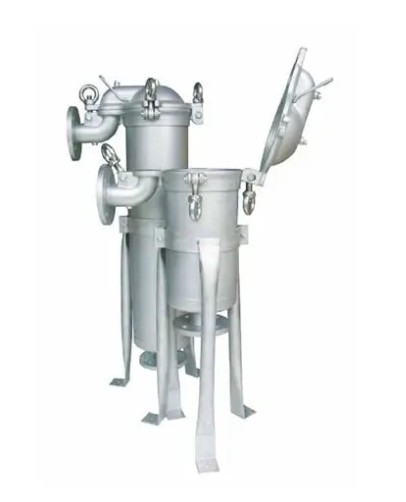
Main Components
Single bag filter housings consist of several essential parts that work together to ensure effective filtration. Each component plays a specific role in the process:
·Housing Vessel: This sturdy container holds the filter bag and withstands the pressure of the liquid flow. Manufacturers design the vessel to resist corrosion and maintain structural integrity over time.
·Filter Bag: The filter bag acts as the primary filtration medium. It traps particulates as liquid passes through, allowing only clean fluid to exit. Operators can choose bags with different micron ratings to match their filtration requirements.
·Closure Mechanism: This part secures the housing vessel and prevents leaks during operation. Common closure types include clamp, bolt, or swing bolt designs. A reliable closure ensures safe and efficient filtration.
·Inlet and Outlet Ports: These ports direct the flow of liquid into and out of the filter housing. The inlet introduces contaminated liquid, while the outlet releases filtered fluid. Proper port placement optimizes flow and maximizes filtration efficiency.
| Component | Function | Material Options |
|---|---|---|
| Housing Vessel | Contains filter bag, withstands pressure | Stainless steel, plastic |
| Filter Bag | Traps particulates, enables filtration | Polyester, nylon |
| Closure Mechanism | Secures vessel, prevents leaks | Metal, reinforced plastic |
| Inlet/Outlet | Directs liquid flow, supports filtration | Metal, plastic |
Operators rely on these components to maintain consistent filtration performance. Each part must function correctly to achieve the desired level of liquid purity. Bag filter housing systems simplify maintenance, as users can access and replace filter bags without complex procedures.
Single bag filter housings combine robust construction, efficient filtration, and user-friendly operation. Their main components work together to deliver reliable results in various applications.
How Single Bag Filter Housings Work
Filtration Process
Single bag filter housings operate through a straightforward yet effective filtration process. The system begins when liquid enters the filter housing through the inlet port. The pressure from the incoming flow forces the liquid into the filter bag, which sits securely inside the vessel. As the liquid passes through the bag, the filtration media captures and retains suspended solids, dirt, and other unwanted particles. This step ensures the removal of contaminants from the process stream.
The clean, filtered liquid then exits the housing through the outlet port. The design of these housings directs the flow in a way that maximizes contact between the liquid and the filter media. This approach increases the efficiency of particulate removal and supports consistent filtration results. Operators can select filter bags with different micron ratings to target specific particle sizes, which allows for precise control over the filtration process.
Note: The effectiveness of the filtration depends on the quality of the filter bag and the compatibility of the housing with the process liquid.
The filtration process in single bag filter housings supports a wide range of applications. These housings handle liquids with varying levels of contamination, from light sediment to heavy particulate loads. The system provides reliable removal of contaminants, which protects downstream equipment and maintains product quality.
Operation & Maintenance
Operating single bag filter housings requires minimal effort. The compact design allows for quick installation in most process lines. Technicians can mount the housing vertically or horizontally, depending on space and system requirements. The closure mechanism, such as a clamp or swing bolt, enables fast access to the filter bag for inspection or replacement.
Routine maintenance involves monitoring the pressure drop across the housing. A rising pressure differential signals that the filter bag has collected a significant amount of debris and needs replacement. Operators can shut down the system, release the closure, and remove the used filter bag. The process takes only a few minutes and does not require specialized tools.
·Installation Steps:
1.Position the housing in the desired location.
2.Connect the inlet and outlet ports to the process piping.
3.Insert the selected filter bag into the vessel.
4.Secure the closure mechanism to prevent leaks.
5.Start the flow and monitor for proper operation.
·Maintenance Tips:
·Check the housing for leaks after each filter change.
·Inspect the closure mechanism for wear or damage.
·Use filter bags compatible with the process liquid to avoid premature failure.
Bag filter housing systems offer a user-friendly approach to filtration. The simple design reduces downtime during maintenance and supports consistent performance. Facilities benefit from the ease of operation, which minimizes training requirements and ensures reliable removal of contaminants.
Tip: Regular maintenance of the filter housing extends equipment life and maintains optimal filtration efficiency.
Single bag filter housings provide a practical solution for industries seeking efficient filtration with minimal operational complexity. The combination of effective filtration, straightforward operation, and easy maintenance makes these housings a preferred choice for many small-scale applications.
Applications & Benefits
Typical Uses
Many industries rely on single bag filter housings for reliable liquid filtration. Water treatment plants use these housings to remove sediment and protect downstream equipment. Food and beverage processors depend on bag filter housing systems to ensure product purity and meet safety standards. Chemical manufacturers use these housings to capture unwanted particles during production. Paint and ink facilities apply filtration to achieve consistent color and texture. Pharmaceutical companies trust these housings to maintain clean process fluids.
Operators select these housings for both batch and continuous processes where space and cost matter.
Advantages of Bag Filter Housing
Bag filter housing systems offer several benefits for industrial filtration:
·Cost-effectiveness: Facilities reduce expenses by using affordable filter bags and minimizing downtime.
·High filtration efficiency: The design maximizes contact between liquid and filter media, improving contaminant removal.
·Ease of use: Technicians can install, operate, and maintain these housings with minimal training.
·Versatility: Operators can choose from a range of filter bags to match different applications.
·Compact footprint: The small size fits into tight spaces, making these housings ideal for retrofits or limited areas.
| Benefit | Description |
|---|---|
| Cost-effectiveness | Lowers operational and maintenance costs |
| Filtration efficiency | Enhances contaminant removal |
| Ease of use | Simplifies installation and maintenance |
| Versatility | Supports various filtration needs |
| Compact footprint | Saves valuable facility space |
Limitations
Single bag filter housings have some limitations. The capacity suits small to medium flow rates, so large-scale operations may require multiple housings or different systems. Frequent filter changes may occur with high contaminant loads. These housings may not handle aggressive chemicals unless constructed from specialized materials. Operators must monitor pressure to maintain optimal filtration.
Note: Facilities should assess process requirements before selecting a bag filter housing system.
Single bag filter housings offer compact, efficient filtration for many industries. These systems remove particulates from liquids and support reliable operations. Key benefits include cost savings, easy maintenance, and versatility.
·Evaluate process needs
·Consider flow rates and contaminant levels
Professionals should match filtration solutions to specific application requirements.
FAQ
How often should operators replace filter bags?
Operators should replace filter bags when the pressure drop increases or filtration efficiency decreases. Regular inspection helps maintain optimal performance.
Can single bag filter housings handle hot liquids?
Manufacturers design many housings to withstand high temperatures. Always check material specifications before using with hot liquids.
What micron ratings are available for filter bags?
Filter bags come in various micron ratings, typically ranging from 1 to 200 microns. Selection depends on the required filtration level.
Post time: Jan-05-2026