



Industries rely on advanced filtration systems to maintain air quality and support efficient contaminant removal. Precision filtration products offer industrial filter bags and dust collector filter bags that fit diverse filtration needs. These filter bags, including dual flow and oil adsorption bag options, work with any air filtration system to keep processes safe and reliable.
What Are Precision Filtration Products Filter Bags?
Key Features and Types
Precision Filtration stands as a trusted brand in the liquid filtration industry. The company focuses on delivering quality and customization for every customer. Precision filtration products include a wide range of filter options designed for industrial use. These industrial filter bags come in several types, each serving a specific purpose. Dual Flow filter bags allow liquid to pass through efficiently, increasing throughput. Absolute Rated filter bags provide consistent particle removal, which helps maintain product purity. High Efficiency filter bags remove even the smallest contaminants, supporting critical applications. Oil Adsorption filter bags target oil contamination in liquids, making them ideal for water, inks, and paints.
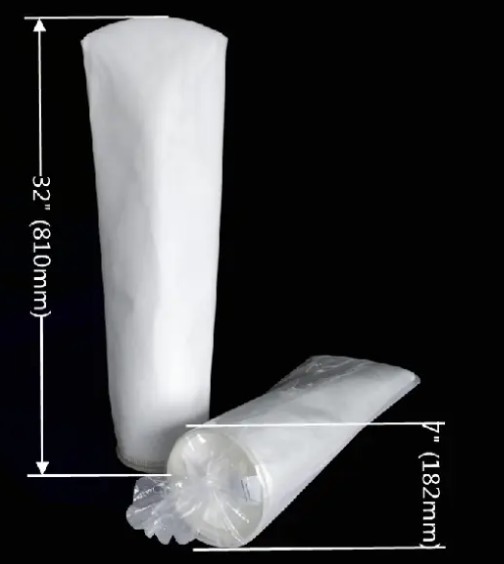
Precision filtration products filter bags fit most industry-standard housings. The company also offers custom sizing for unique requirements. This flexibility ensures that every filtration system can use the right filter media bags for its process.
Importance of Precision in Filtration
Precision matters in every filtration process. When a filter bag performs accurately, it protects equipment and improves product quality. Precision filtration products use advanced materials to create reliable filter bags. These bags help industries meet strict safety and quality standards. Dust collector filter bags play a key role in keeping air clean and safe. Precision filtration products support many sectors, from food and beverage to electronics. The right filter bag can make a difference in process efficiency and environmental compliance.
Food and Beverage Industry
Ingredient Filtration
The food processing industry relies on industrial filter bags to maintain ingredient purity. These filter bags remove unwanted particles from liquids such as syrups, oils, and juices. Workers use filter bag systems to separate solids from liquids during food production. This step ensures that only clean ingredients enter the next phase of processing.
A typical filtration setup includes several filter bags with different ratings. Each bag captures particles of a specific size. For example, a high efficiency filter bag can trap fine contaminants, while a dual flow filter bag increases throughput. The table below shows common uses for filter bags in food ingredient filtration:
| Ingredient | Filter Type | Purpose |
|---|---|---|
| Syrups | High Efficiency | Remove fine particles |
| Oils | Dual Flow | Increase flow rate |
| Juices | Absolute Rated | Ensure purity |
Ensuring Product Safety
Product safety remains a top priority in the food industry. Dust collector filter bags help maintain air quality in food processing plants. These filter bags capture airborne dust and prevent contamination of food products. Operators monitor filter bag performance to ensure that the environment stays clean.
Tip: Regular filter bag replacement improves food safety and supports compliance with health standards.
Food manufacturers trust filter bags to protect consumers and meet strict regulations. The right filter bag system reduces risks and supports safe food production.
Pharmaceutical Manufacturing
Sterile Filtration
Pharmaceutical companies depend on sterile environments to produce safe medicines. Industrial filter bags play a vital role in removing contaminants from liquids during processing. Workers use filter bags to separate particles and microorganisms from solutions. This step helps maintain product purity and supports patient safety. High efficiency filter bags trap fine particles that could affect the quality of medicines. Absolute rated filter bags ensure consistent removal of unwanted materials.
Pharmaceutical plants often use dust collector filter bags to improve air quality. These filter bags capture airborne particles and prevent contamination in clean rooms. Employees monitor filter performance to keep the environment sterile. The table below shows common uses for filter bags in pharmaceutical processing:
| Application | Filter Type | Purpose |
|---|---|---|
| Injectable drugs | High Efficiency | Remove fine particles |
| Vaccine production | Absolute Rated | Ensure sterility |
| Clean room air | Dust Collector | Improve air quality |
Note: Regular filter bag replacement helps maintain sterile conditions and supports compliance with safety standards.
Regulatory Compliance
Pharmaceutical manufacturing faces strict regulations. Companies must meet standards for product safety and environmental protection. Filter bags help organizations comply with these rules by removing contaminants from liquids and air. Regulatory agencies require documentation of filter performance and maintenance. Workers keep records of filter bag changes and inspections.
Precision filtration products support pharmaceutical companies in meeting these requirements. Custom filter bag options allow manufacturers to address unique processing needs. Reliable filter bags help ensure that medicines meet quality standards and reach consumers safely.
Chemical Processing
Handling Hazardous Materials
Chemical plants often deal with hazardous substances that require strict control. Workers use filter bags to capture solid contaminants from liquid streams. These filter bags help prevent dangerous particles from entering the environment. Operators select the right filter for each chemical process to ensure safety. Dual flow filter bags allow liquids to move quickly while trapping harmful solids. Oil adsorption filter bags remove oil from chemical mixtures, which protects equipment and supports safe disposal.
Safety tip: Employees should inspect each filter bag before installation to confirm it meets the requirements for hazardous material handling.
Dust collector filter bags also play a role in chemical processing. They capture airborne particles that may escape during mixing or transfer. This step keeps the workspace clean and reduces health risks.
Process Efficiency
Efficiency matters in chemical processing. Companies rely on filter bags to maintain smooth operations. High efficiency filter bags remove fine particles that could slow down reactions or damage machinery. Absolute rated filter bags provide consistent filtration, which helps maintain product quality. Operators monitor filter performance to avoid clogs and downtime.
A simple table shows how filter bags support process efficiency:
| Filter Type | Benefit |
|---|---|
| High Efficiency | Removes fine particles |
| Absolute Rated | Maintains consistency |
| Dual Flow | Increases throughput |
Chemical processing plants also use filter bags in food production when chemicals are part of the recipe. Reliable filter systems protect both products and workers. Regular filter changes keep the process running smoothly and support safety standards.
Water and Wastewater Treatment
Solid Removal
Water and wastewater treatment facilities use filter bags to remove solid particles from liquid streams. Operators select the right filter for each stage of the process. These bags trap debris, sand, and other contaminants before water moves to the next step. Workers often install several bag types in a series to improve filtration. High efficiency filter bags capture fine solids, while dual flow options increase throughput.
A simple table shows how facilities use filter bags for solid removal:
| Stage | Filter Type | Purpose |
|---|---|---|
| Pre-treatment | Dual Flow | Remove large debris |
| Secondary treatment | High Efficiency | Trap fine particles |
| Final polishing | Absolute Rated | Ensure clarity |
Operators monitor filter performance to maintain water quality. Regular replacement of each bag keeps the system running smoothly.
Environmental Standards
Wastewater treatment plants must meet strict environmental standards. Dust collector filter bags help control airborne particles during processing. These filter bags support pollution control by capturing dust and preventing it from entering the environment. Facilities use filter bags to comply with local and national regulations.
Tip: Routine inspection of each filter bag helps facilities avoid violations and maintain compliance.
Water and wastewater treatment systems rely on filter bags to protect public health and the environment. Reliable filtration supports clean water and safe disposal of treated wastewater.
Oil and Gas Applications
Drilling and Refining
Oil and gas facilities rely on advanced filtration to maintain safe and efficient operations. Workers use filter bags during drilling to remove solid particles from drilling fluids. These bags help keep the fluid clean, which protects drilling equipment and improves the quality of extracted oil. Operators select the right filter for each stage of the refining process. High efficiency filter bags trap fine contaminants in crude oil, while dual flow options allow for faster processing. Oil adsorption filter bags play a key role in separating oil from water streams, which supports environmental compliance.
Tip: Regular inspection of each filter bag helps prevent blockages and ensures smooth operation during drilling and refining.
A table below shows how filter bags support different stages in oil and gas processing:
| Stage | Filter Type | Purpose |
|---|---|---|
| Drilling | High Efficiency | Remove fine solids |
| Refining | Dual Flow | Increase throughput |
| Water Separation | Oil Adsorption | Capture oil contaminants |
Equipment Protection
Filtration protects valuable equipment in oil and gas plants. Operators use filter bags to prevent abrasive particles from damaging pumps and valves. Clean fluids extend the lifespan of machinery and reduce maintenance costs. Dust collector filter bags capture airborne particles in processing areas, which helps maintain a safe working environment. Workers monitor filter performance and replace each bag as needed to avoid equipment failure.
·Key benefits of using filter bags for equipment protection:
·Reduced wear and tear on machinery
·Lower risk of costly repairs
·Improved safety for workers
Oil and gas companies trust filter solutions to keep their operations running smoothly. Reliable filter bags support both productivity and safety in demanding environments.
Automotive Manufacturing
Paint and Parts Cleaning
Automotive factories use filter bags to keep paint and cleaning processes efficient. Workers rely on these products to remove dust and particles from paint mixtures. Clean paint helps vehicles look smooth and shiny. A filter bag traps unwanted materials before they reach the spray booth. This step prevents clogs in equipment and keeps paint flowing evenly.
Parts cleaning also depends on strong filtration. Technicians use filter systems to wash engine parts and metal pieces. A filter removes oil, dirt, and metal shavings from cleaning fluids. This process protects sensitive surfaces and prepares parts for assembly. Many plants choose high efficiency filter bags for these tasks because they capture fine particles.
Tip: Regular inspection of each filter bag ensures that paint and cleaning fluids stay pure.
Reducing Defects
Defects in automotive manufacturing can lead to costly repairs. Filter bags help reduce these problems by keeping contaminants out of critical processes. When a filter works well, it stops dust and debris from reaching painted surfaces or engine parts. This protection leads to fewer scratches, spots, and blemishes.
Quality control teams check filter performance often. They replace each bag when it shows signs of wear. The table below shows how filter bags support defect reduction:
| Process | Filter Type | Benefit |
|---|---|---|
| Paint Application | High Efficiency | Smooth finish |
| Parts Cleaning | Dual Flow | Clean surfaces |
Automotive companies trust filter solutions to improve product quality and customer satisfaction.
Metalworking and Machining
Coolant Filtration
Metalworking shops depend on clean coolant to keep machines running smoothly. Workers use a filter to remove metal shavings, dust, and other debris from the coolant. This process helps prevent blockages and keeps the fluid clear. Precision Filtration offers filter bags that fit most coolant systems. Each bag captures particles before they reach sensitive machine parts. Operators choose the right filter for their needs, such as high efficiency or dual flow options.
A table below shows how different filter types help in coolant filtration:
| Filter Type | Benefit |
|---|---|
| High Efficiency | Removes fine particles |
| Dual Flow | Increases flow rate |
| Absolute Rated | Maintains clarity |
Tip: Regularly changing the filter bag keeps coolant clean and extends the life of the fluid.
Equipment Longevity
Machining equipment works best when fluids stay free of contaminants. A filter protects pumps, valves, and cutting tools from wear. Clean coolant reduces friction and heat, which helps machines last longer. Precision Filtration’s filter bags trap harmful particles and prevent damage. Operators inspect each bag to make sure it performs well. They replace the filter when it shows signs of clogging or wear.
Shops that use quality filter bags see fewer breakdowns and lower repair costs. Reliable filtration supports smooth production and keeps equipment in top condition.
Power Generation
Feedwater Filtration
Power plants need clean water to operate safely and efficiently. Operators use a filter to remove particles from feedwater before it enters boilers or turbines. This step protects equipment from scale and corrosion. Precision Filtration offers a range of filter bags that fit standard housings in power generation facilities. Each bag captures dirt, rust, and other solids that could damage machinery. Workers often choose a high-efficiency filter for this process because it traps even the smallest particles. Clean feedwater helps reduce maintenance costs and extends the life of critical components.
A simple table shows how filter bags support feedwater filtration:
| Application | Filter Type | Benefit |
|---|---|---|
| Boiler Feedwater | High Efficiency | Removes fine particles |
| Turbine Protection | Absolute Rated | Maintains water quality |
Tip: Regular inspection and replacement of each filter bag keeps the system running smoothly.
Emissions Control
Power plants must meet strict environmental standards. Operators use filter systems to capture dust and ash before they leave the facility. These filters help reduce air pollution and support compliance with regulations. Dust collector bags play a key role in trapping fine particles from exhaust gases. Some plants also use filter bags to treat wastewater produced during operations. This step ensures that water released from the plant meets safety guidelines.
Workers monitor filter performance to maintain emissions control. They replace each bag as needed to keep the system effective. Reliable filtration supports both environmental protection and efficient power generation.
Pulp and Paper Industry
Process Water Filtration
The pulp and paper industry depends on clean water for every stage of production. Workers use a filter to remove fibers, sand, and other solids from process water. This step protects machinery and keeps the system running smoothly. Precision Filtration offers filter bags that fit standard housings in pulp and paper mills. Each bag captures unwanted particles before water enters the next phase. Operators select the right filter for each application, such as high efficiency or dual flow options.
A table below shows how different filter types help in process water filtration:
| Application | Filter Type | Benefit |
|---|---|---|
| Fiber Removal | High Efficiency | Traps fine particles |
| Sand Separation | Dual Flow | Increases flow rate |
| Final Polishing | Absolute Rated | Ensures water clarity |
Note: Regular inspection of each filter bag helps maintain water quality and prevents equipment damage.
Product Consistency
Consistent product quality is essential in the pulp and paper industry. Operators rely on filter bags to keep pulp mixtures free of contaminants. A clean mixture leads to smoother paper and fewer defects. Workers monitor each filter to ensure it performs well during production. They replace the bag when it shows signs of clogging or wear.
The use of filter bags supports uniform thickness and texture in finished paper. Mills that use reliable filtration see fewer production issues and higher customer satisfaction. Precision Filtration’s products help companies deliver consistent results every time.
·Key benefits of using filter bags in pulp and paper production:
·Improved product quality
·Reduced downtime
·Enhanced process control
Electronics and Semiconductor
Ultra-Fine Filtration
Electronics and semiconductor factories require clean environments for production. Workers use high efficiency and absolute rated filter bags to remove tiny particles from process fluids. These filters capture contaminants that can cause defects in microchips and circuit boards. A filter with a fine rating ensures that only pure liquids reach sensitive equipment. Operators select the right filter for each stage of manufacturing. They often use a bag that can trap particles smaller than a micron. This level of filtration helps maintain high product yield and quality.
Note: Even a small amount of contamination can ruin an entire batch of semiconductors.
Contamination Prevention
Contamination control stands as a top priority in electronics manufacturing. Teams use filter systems to protect products from dust, oils, and other unwanted materials. Each filter bag acts as a barrier, stopping contamination before it reaches the production line. Workers monitor filter performance and replace each bag on a regular schedule. This practice reduces the risk of contamination and supports strict industry standards. Companies trust these filter solutions to keep their processes reliable and efficient.
A simple table shows how filters help prevent contamination:
| Application | Filter Type | Purpose |
|---|---|---|
| Wafer Cleaning | High Efficiency | Remove ultra-fine particles |
| Chemical Delivery | Absolute Rated | Block contaminants |
Electronics and semiconductor plants rely on advanced filter technology to deliver high-quality products.
Precision Filtration products filter bags serve many industries with reliable performance and flexible options. Their wide range, custom sizing, and high efficiency help companies meet strict standards.For expert advice and tailored solutions, readers can contact Precision Filtration to improve their filtration systems.
FAQ
How often should operators replace filter bags?
Operators should check filter bags regularly. Most facilities replace them when pressure increases or flow drops. Frequent inspection helps maintain system performance.
Can Precision Filtration filter bags fit non-standard housings?
Precision Filtration offers custom sizing. Their team can design filter bags to fit unique housings or special requirements.
What industries benefit most from high efficiency filter bags?
Industries such as pharmaceuticals, electronics, and food processing benefit most. These sectors require removal of fine particles to ensure product quality and safety.
Post time: Jan-08-2026