



A bag filter for water utilizes a porous bag to capture particles, ensuring cleaner drinking water. This straightforward solution is especially valuable in areas where access to clean water is limited, benefiting many households worldwide.
- Approximately 2 billion people, or 26% of the global population, still lack access to safe drinking water.
Filter Type Effectiveness Suitable Applications Bag Filters Removes larger particles High-flow, cost-sensitive areas Cartridge Filters Removes smaller particles Precision, high-purity needs A dual flow filter bag provides practical and dependable filtration for everyday use, making it an excellent choice for those seeking efficient water purification.
Bag Filter for Water: What Is It?
Bag Filter Design
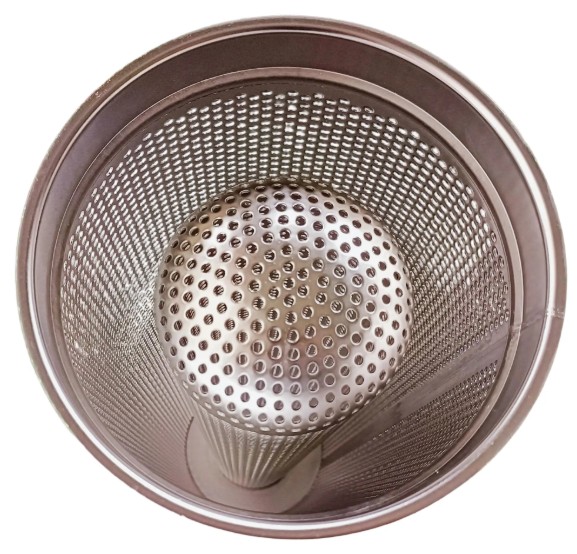
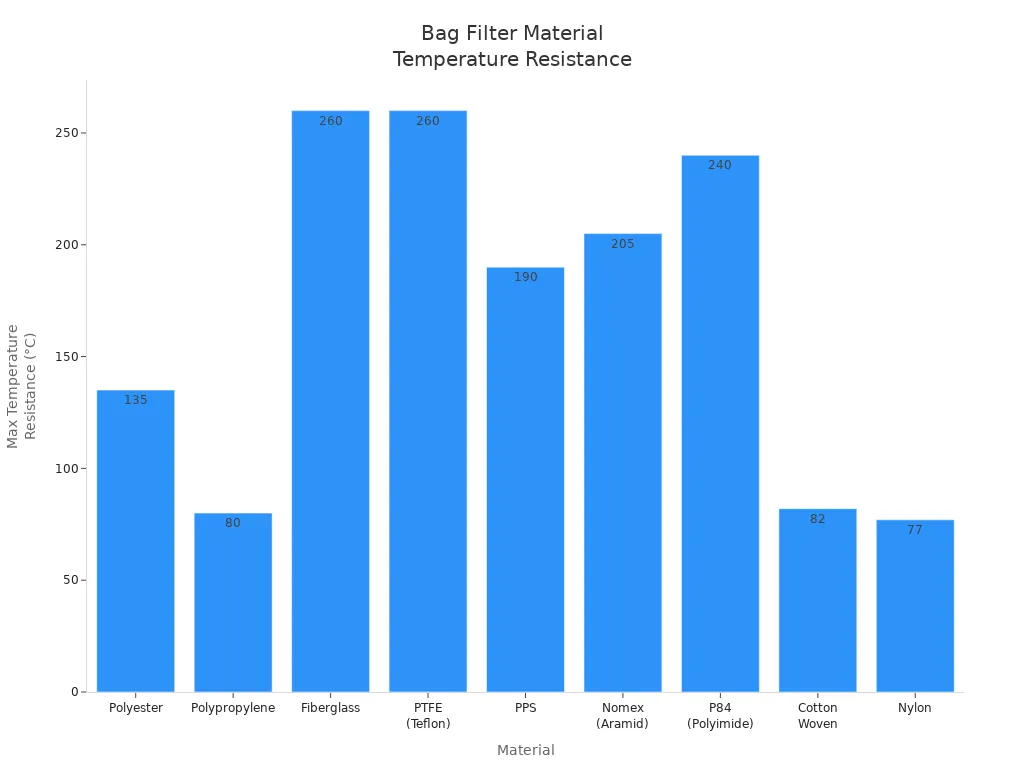
A bag filter uses a specialized fabric bag to capture unwanted particles from water. The bag filter housing secures the bag and directs water through the filtration media. Manufacturers select materials based on the demands of each application. Polyester and polypropylene serve general water filtration needs, while fiberglass and PTFE withstand higher temperatures and aggressive environments. The following table outlines common materials and their temperature resistance:
| Material | Temperature Resistance | Applications |
|---|---|---|
| Polyester | Up to 135°C | Cement, food processing, general manufacturing |
| Polypropylene | Up to 80°C | Chemical and food industries |
| Fiberglass | Up to 260°C | Steel, foundry, power generation industries |
| PTFE (Teflon) | Up to 260°C | Aggressive chemical environments |
| PPS | Up to 190°C | Coal-fired boilers, incinerators, chemical plants |
| Nomex (Aramid) | Up to 205°C | Asphalt plants, high heat and abrasion applications |
| P84 (Polyimide) | Up to 240°C | High-temperature and high-emission environments |
| Cotton Woven | Up to 82°C | Woodworking, cement applications |
| Nylon | Up to 77°C | Highly abrasive dust applications |
Several factors influence the filtration efficiency of a bag filter:
- Pore size of the filter media
- Filter thickness
- Flow rate
Pleated bags increase surface area and improve efficiency, which helps facilities meet strict water quality standards.
Main Purpose in Water Treatment
Bag filter for water provides a reliable solution for removing silt, sand, and dirt from large volumes of water. Bag filtration excels in commercial, industrial, and municipal settings, where high flow rates and consistent performance are essential. The main purpose of bag water filter treatment is to ensure clean water by trapping suspended solids before further treatment steps. Bag filter systems offer cost-effective, scalable options for water treatment, making them a preferred choice for many organizations.
How Bag Filters Work in Water Treatment
Filtration Process Steps
A bag filter for water operates through a series of well-defined stages. The process begins with inspection and preparation. Technicians check the bag filter housing and install the filter bags securely. During start-up, they open the inlet and outlet valves, allowing water to flow into the system. As water passes through the bag filter, suspended solids and contaminants become trapped inside the porous bag. Clean water exits the housing, ready for further treatment or use. Facilities often implement a cleaning cycle to remove accumulated particles, using pulse jet cleaning mechanisms when available. After filtration, staff shut down the system and perform routine maintenance, inspecting for damage and replacing worn components. Accurate record keeping ensures compliance and tracks performance over time.
Filtration Process Steps:
- Inspection and preparation of bag filter housing and filter bags.
- Start-up by opening valves and monitoring pressure.
- Filtration as water flows through, trapping solids.
- Cleaning cycle to remove trapped particles.
- Shutdown and maintenance of system components.
- Record keeping for operational tracking.
Contaminants Removed by Bag Water Filter Treatment
Bag water filter treatment excels at removing a wide range of contaminants from water. The bag filter creates a physical barrier that captures suspended solids, sediment, and larger particles. This method serves as the first line of defense in water treatment, efficiently processing large volumes of water. Municipal water treatment plants rely on bag filtration to eliminate organic matter and various contaminants, ensuring water meets quality standards before discharge or reuse.
Bag filters also play a role in reducing microorganisms. Studies show that slow sand filters can achieve a 5–6 log10 removal of Cryptosporidium cysts and up to 100% removal of Giardia in mature systems. Although bag filters primarily target larger particles, they contribute to the overall reduction of harmful microorganisms when used in combination with other treatment technologies.
Bag filter for water provides reliable removal of silt, sand, and dirt, making it essential for both residential and industrial water treatment applications.
Bag Filter Benefits
Bag filter systems offer several advantages in water treatment. They efficiently remove larger particles, improving water quality for residential and industrial users. The cost-effective design of bag filtration reduces maintenance and replacement expenses for other filtration components. Bag filter housing allows for straightforward installation and replacement, minimizing downtime and labor costs.
Industrial facilities benefit from exceptional flow rates, with bag filters capable of processing between 90 and 2,400 gallons per minute. The superior dirt-holding capacity of bag filters means they require less frequent replacement compared to cartridge filters. Durability in diverse conditions ensures reliable performance, even when exposed to challenging environments or chemicals.
Bag Filter Benefits:
- Efficient removal of larger particles and sediment.
- Cost-effective operation and maintenance.
- User-friendly design for easy installation and replacement.
- High flow rates suitable for large-scale water treatment.
- Superior dirt-holding capacity compared to other filtration methods.
- Durable construction for long-term use in various settings.
Bag Filter Maintenance
Proper maintenance of bag filter systems ensures optimal water treatment performance. Staff should inspect filter bags regularly for tears or clogs. Cleaning filter components removes accumulated dirt and debris, maintaining system efficiency. Checking gaskets and seals prevents leaks and contamination. Lubricating moving parts reduces wear and extends the lifespan of the bag filter housing.
Routine replacement of worn-out parts is necessary to avoid insufficient filtration and potential damage. Facilities should establish a regular schedule for filter bag replacement based on anticipated filter life and dirt-holding capacity. Neglecting timely changes can compromise water quality and increase operational costs. The average lifespan of a bag filter in water treatment ranges from one to three years, depending on dust load and operating conditions.
Recommended Maintenance Procedures:
- Conduct regular inspections for damage or clogs.
- Clean filter components to remove contaminants.
- Check gaskets and seals for integrity.
- Lubricate moving parts as needed.
- Replace old or worn-out parts promptly.
Proper training of personnel is essential for safe handling and effective maintenance of bag filter systems.
Choosing a Bag Filter
Selecting the right bag filter for water treatment requires careful consideration of several factors. The micron rating determines the size of particles the filter can capture. Facilities must choose the appropriate material, such as polyester, polypropylene, or nylon, based on the specific water treatment application. Flow rate considerations help determine the correct filter bag size for expected water volumes. Chemical compatibility ensures the filter material withstands exposure to various chemicals in the water.
Environmental impact and disposal methods should also influence the selection process. Balancing cost and quality leads to efficient and reliable bag water filter treatment. Studies show that using the correct filter material can increase the lifetime of the filtration system by up to 30%, resulting in cost savings and reduced downtime.
| Aspect | Details |
|---|---|
| Flow Rate | Each filter bag size has a maximum flow rate; exceeding this reduces efficiency. |
| Micron Rating | Indicates particle size captured; smaller ratings provide finer filtration but increase pressure drop. |
| Filtration Types | Coarse (50-200 microns), Medium (10-50 microns), Fine (1-10 microns) based on purity needs. |
Bag filter housing design also affects maintenance frequency and filter lifespan. Facilities should adjust cleaning and replacement schedules based on dust volume, material type, and system configuration. By considering these factors, organizations can optimize bag filtration for their water treatment needs.
Bag filters simplify access to clean drinking water, especially in rural areas.
- Lightweight designs, such as Fieldtrate Lite, serve households without electricity.
- Bag filters remove harmful particulates, protect ecosystems, and help meet EPA standards.
| Advantage | Description |
|---|---|
| High Efficiency | Removes contaminants effectively. |
| Environmental Compliance | Supports regulatory adherence. |
| Low Operating Costs | Reduces maintenance expenses. |
Individuals with large homes, high water usage, or well water benefit most from bag filter systems.
FAQ
How does a bag filter improve water quality in water treatment?
A bag filter removes suspended solids from water. It traps dirt and debris inside the bag filter housing. This process supports water treatment by delivering cleaner water for further treatment.
What maintenance does a bag filter housing require in water treatment?
Staff inspect the bag filter housing regularly. They replace filter bags when clogged. Proper maintenance ensures the bag filter continues to provide effective water treatment and extends the life of the system.
Can bag water filter treatment remove microorganisms from water?
Bag water filter treatment mainly targets larger particles in water. It reduces some microorganisms. For complete water treatment, facilities often combine bag filters with other treatment methods for safe drinking water.
Post time: Dec-22-2025