



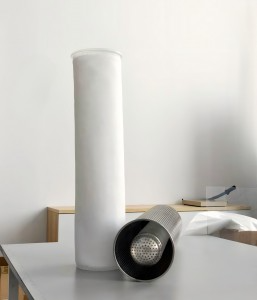
A dual flow filter bag combines an inner filter bag with a traditional standard filter bag. This design allows liquid to flow both inward and outward through the filter media. The filtration process removes contaminants efficiently, supporting high-quality liquid processing across various industries.
Dual Flow Filter Bag Operation
Filtration Process
A dual flow filter bag operates through a series of well-defined steps that ensure efficient removal of contaminants from liquids. The process begins with careful inspection and preparation of the filter bag housing and the filter bags themselves. Operators check for any defects or improper installation to guarantee optimal performance.
1.Inspect and prepare the bag filter housing and filter bags.
2.Start the system by opening valves and monitoring pressure levels.
3.Allow liquid to flow through the dual flow filter bag, which traps solids both inward and outward.
4.Initiate a cleaning cycle to remove accumulated particles from the filter media.
5.Shut down the system and perform maintenance on all components.
6.Record operational data for tracking and quality assurance.
This sequence ensures that the dual flow filter bag maintains high filtration efficiency and supports continuous operation in demanding environments.
Key Features
The dual flow filter bag stands out due to several important characteristics. These features contribute to its popularity in industrial filtration applications.
The dual flow filter bag design incorporates both an inner filter bag and a traditional standard filter bag. This configuration allows liquid to filter from the inside outward and from the outside inward, maximizing contaminant removal.
- Higher Flow Rate Capability
Dual bag filter vessels handle higher flow rates and larger dirt capacities compared to single bag filter housings. They suit continuous and high-volume filtration needs.
| Filter Type | Flow Rate Capability | Applications |
|---|---|---|
| Dual Bag Filter | Higher flow rates | Continuous and high-volume filtration needs |
| Single Bag Filter | Varies, lower rates | Versatile applications with simpler setups |
| Material | Micron Rating | Filter Efficiency |
|---|---|---|
| Polyester Felt | 25 Micron | Effective at general solid removal (>85% at 25 µm) |
These features make the dual flow filter bag a reliable choice for industries requiring efficient, high-capacity filtration.
Types and Applications of Dual Flow Filter Bags
Common Types
Manufacturers offer several types of dual flow filter bags to meet diverse industrial requirements. These bags differ in mesh size, filter material, top material, and temperature resistance. The following table summarizes the most common types available:
| Type of Filter Bag | Mesh Size (micron) | Filter Material | Top Material | Working Temperature |
|---|---|---|---|---|
| Dual Flow Filter Bag | 1, 3, 5, 10, 25, 50, 75, 100 | Polypropylene, Polyester needle felt | Plastic ring, Steel ring | ≤120℃ |
Trinity Dual Flow Bag Filters provide additional specifications:
| Specification | Trinity Dual Flow Bag Filters |
|---|---|
| Material of Construction | Polypropylene, Polyester |
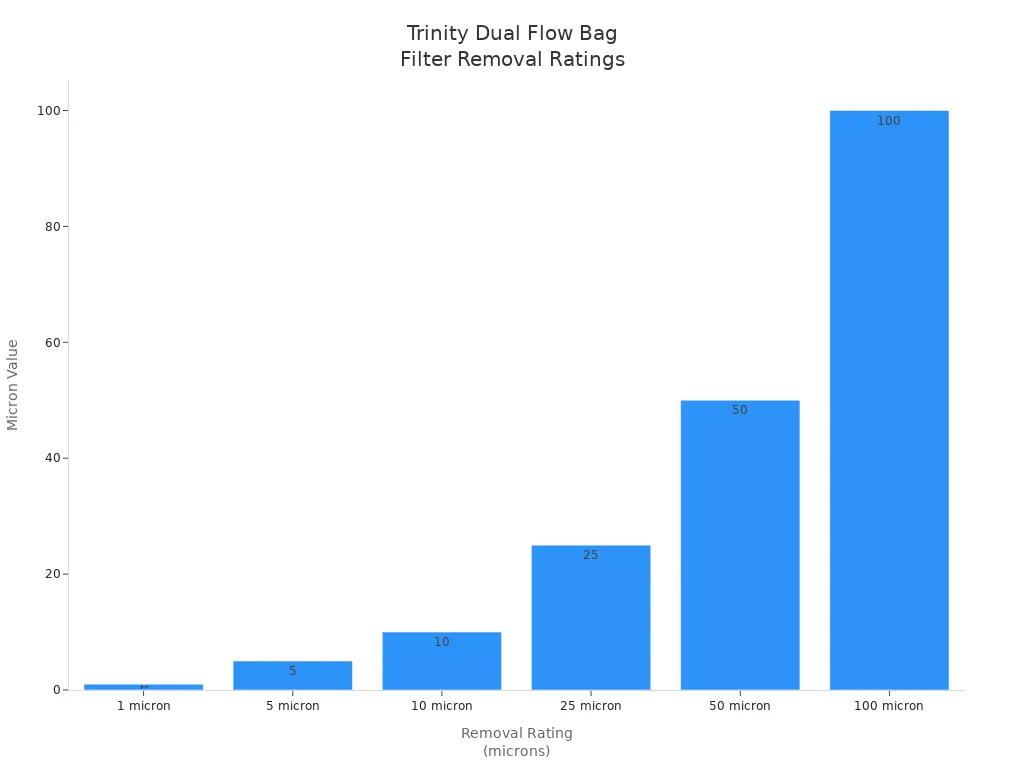
| Removal Ratings | 1, 5, 10, 25, 50, 100 |
| Sizes | Size 1: diameter – 7″, Length – 14.3″; Size 2: diameter – 7″, Length – 27.8″ |
| Maximum Operating Temp °C | 80°C (Polypropylene), 115°C (Polyester) |
| Recommended Max Flow Rate | 290 LPM (Size 1); 570 LPM (Size 2) |
| Maximum Pressure Drop Allowed | 35 PSID @ 68° F (2.4 bar @ 20 °C) |
Filter bag media options include polyester felt, polypropylene felt, Nomex felt, nylon mesh, polyester mesh, and microfibre materials.
Typical Uses
Industries rely on dual flow filter bags for a wide range of applications. These bags support processes that demand high flow rates and efficient contaminant removal. Common uses include:
·Chemical processing
·Food and beverage production
·Pharmaceutical manufacturing
·Water treatment plants
·Paints and coatings filtration
·Electronics and semiconductor fabrication
Operators select these filter bags for their ability to handle large volumes and maintain product purity.
Advantages and Disadvantages
Dual flow filter bags deliver several operational benefits. The following table outlines key advantages:
| Advantage | Description |
|---|---|
| Zero Downtime | Eliminates production stops for filter changes. |
| Enhanced Safety | Allows filter changes without system depressurization, ideal for hazardous processes. |
| Operational Flexibility | Enables maintenance scheduling without disrupting the process. |
| System Protection | Prevents unfiltered fluid bypass during maintenance. |
Note: Dual flow filter bags feature high flow rates, low pressure drop, and high dirt loading capacity. They also provide a positive seal, all-welded structure, and FDA compliance for sensitive applications.
Facilities should consider space requirements and cleaning time when planning installations, as these factors can influence system design and maintenance schedules.
Choosing and Maintaining Dual Flow Filter Bags
Selection Tips
Selecting the right dual flow filter bag for an application requires careful evaluation of several factors. Operators assess filtration efficiency to ensure the removal of targeted contaminants. Chemical compatibility determines whether the filter bag material withstands exposure to process fluids. Temperature tolerance plays a crucial role in environments with elevated heat. Mechanical strength supports durability during high-pressure operations. Design considerations help increase filter capacity and optimize performance.
·Filtration efficiency
·Chemical compatibility
·Temperature tolerance
·Mechanical strength
·Design considerations for increasing filter capacity
Micron ratings influence the performance of filter bags in different environments. The following table illustrates how micron ratings affect filtration efficiency and material selection:
| Micron Rating | Filtration Efficiency | Material Type |
|---|---|---|
| 1-5 microns | High | Polypropylene |
| 5-10 microns | Moderate | Polyester |
| 10-200 microns | Low | Various |
Operators match micron ratings to the specific requirements of their process to achieve optimal results.
Maintenance Advice
Proper maintenance extends the lifespan of dual flow filter bags and ensures consistent filtration quality. Facilities implement regular inspections by monitoring differential pressure trends. Cleaning cycles use automated systems to remove accumulated solids. Proactive replacement strategies schedule filter bag changes based on expected lifespan and signs of wear, such as fraying seams or stiffened fabric.
| Maintenance Practice | Description |
|---|---|
| Regular Inspections | Keep records of differential pressure over time to monitor performance. Rising trends indicate replacement. |
| Cleaning Cycles | Use cleaning systems effectively; frequent or ineffective cleaning signals the need for replacement. |
| Proactive Replacement Strategies | Schedule replacements based on lifespan and monitor for wear. Preventative replacement during shutdowns. |
The service life of dual flow filter bags varies with feedwater quality and solids load. Lifespan ranges from hours to weeks in high-demand industrial settings. Operators adjust maintenance schedules to match process demands and maintain system reliability.
Tip: Consistent monitoring and timely replacement of filter bags prevent unexpected downtime and protect equipment.
Dual flow filter bags offer increased filtration area, reduced maintenance downtime, and lower labor costs. They support continuous operation and allow for quick bag change-outs. Beginners benefit from minimized product loss and enhanced efficiency across industries. These features make dual flow filter bags a smart choice for reliable filtration.
FAQ
What is the main benefit of a dual flow filter bag?
A dual flow filter bag increases filtration efficiency by allowing liquid to pass through both the inner and outer filter layers.
How often should operators replace dual flow filter bags?
Operators should replace filter bags when they notice increased pressure drop or visible wear. Regular inspections help maintain optimal performance.
Can dual flow filter bags handle high temperatures?
Most dual flow filter bags use materials like polyester or polypropylene. These materials withstand temperatures up to 115°C, depending on the specific product.
Post time: Feb-27-2026